The Ngorongoro Crater is one of the most beautiful wildlife destinations in Tanzania. Known for its impressive volcanic landscape, open grasslands, forests, lakes, and rich wildlife, it offers an unforgettable safari experience. Visitors can explore the crater in a single day and enjoy opportunities to see lions, elephants, zebras, wildebeest, buffaloes, flamingos, and other fascinating animals.
However, choosing the right time to visit can make a big difference to your safari experience. Weather conditions, wildlife movements, road conditions, and seasonal landscapes all influence what you can see during your visit.
If you are planning a ngorongoro crater day trip, understanding the different seasons will help you choose the most suitable travel dates.
With Kimgoni Tanzania Safaris, travellers can plan a memorable safari experience with suitable itineraries, knowledgeable safari guides, and comfortable travel arrangements.
1. Understanding the Best Time to Visit Ngorongoro Crater
Ngorongoro Crater can be visited throughout the year, but the dry season, particularly from June to October, is generally considered one of the best periods for wildlife viewing.
During these months, rainfall is lower, vegetation becomes less dense, and animals often gather around available water sources. These conditions can make wildlife easier to spot during a game drive.
However, the green season also has its own attractions. The surrounding landscapes become greener, birdlife becomes more active, and the scenery is especially beautiful for photography.
Your ideal travel period depends on whether you prefer easier wildlife viewing, green landscapes, fewer visitors, or opportunities to enjoy seasonal wildlife activity.
2. Visiting Ngorongoro Crater During the Dry Season (June to October)
The dry season is a popular time to explore Ngorongoro Crater. From June to October, the weather is generally cooler and drier, making outdoor safari activities more comfortable.
Why visit during the dry season?
- Wildlife is often easier to spot because vegetation is shorter.
- Animals may gather around permanent water sources.
- Roads are generally in better condition.
- Clearer weather can provide excellent photography opportunities.
- Comfortable conditions make game drives more enjoyable.
July, August, and September are particularly popular months for safari travellers.
If you are interested in a more comfortable and personalised experience, you can explore a best luxury safari tanzania experience with carefully selected accommodation and private safari arrangements.
3. Visiting Ngorongoro Crater During the Green Season (November to May)
The green season offers a different experience for visitors. Rainfall transforms the crater into a beautiful green landscape, creating excellent opportunities for nature photography and birdwatching.
Although some roads can become muddy during heavier rainfall, wildlife viewing remains rewarding throughout the year.
Benefits of visiting during the green season:
- Beautiful green scenery across the crater.
- Excellent opportunities for birdwatching.
- Attractive landscapes for wildlife photography.
- Fewer visitors during some periods.
- A refreshing experience for travellers who enjoy nature.
The green season is generally divided into two periods:
November to December: These months usually bring short rains. The landscape becomes greener, and visitors can enjoy changing scenery.
March to May: This is generally the long rainy season. Rainfall can be heavier, so road and weather conditions should be considered when planning your trip.
If you prefer a quieter experience, this season may be worth considering.
4. Month-by-Month Guide to Visiting Ngorongoro Crater
Choosing the right month can help you plan your safari according to your interests.
| Month | Weather and Conditions | Safari Experience |
|---|---|---|
| January | Generally warm | Good wildlife viewing |
| February | Warm and relatively dry | Excellent scenery and wildlife |
| March | Rainfall increases | Green landscapes |
| April | Heavy rainfall possible | Quiet safari atmosphere |
| May | Rainfall gradually decreases | Beautiful scenery |
| June | Cooler and drier | Good wildlife viewing |
| July | Dry season | Excellent game drives |
| August | Dry and popular | Excellent wildlife viewing |
| September | Generally dry | Great photography opportunities |
| October | Warmer and drier | Good wildlife viewing |
| November | Short rains may begin | Green landscapes |
| December | Occasional rainfall | Attractive scenery and birdlife |
Weather conditions can change from year to year, so it is always advisable to check local conditions before travelling.
5. What Wildlife Can You See During a Ngorongoro Crater Day Trip?
One of the main reasons travellers visit Ngorongoro Crater is its remarkable wildlife diversity. The crater floor provides a natural habitat for many animal species, making it an excellent destination for a one-day safari.
Here are some animals you may encounter:
Lions: Ngorongoro is known for its lion population. Visitors may see lions resting in grasslands or moving across the crater floor.
African Elephants: Large elephants, including impressive older bulls, can sometimes be spotted around the crater.
Black Rhinoceros: The crater is one of Tanzania’s important habitats for the endangered black rhinoceros. Sightings are possible but never guaranteed.
Buffaloes: Large buffalo herds are commonly seen grazing in open grassland areas.
Zebras and Wildebeest: These animals are frequently spotted feeding in the crater’s open landscapes.
Flamingos and Other Birds: Lake Magadi and surrounding wetland areas attract different bird species depending on seasonal conditions.
A knowledgeable safari guide can help identify animals, explain their behaviour, and make your wildlife experience more interesting.
6. What Is the Best Time of Day to Explore Ngorongoro Crater?
For a day trip, an early morning departure is generally recommended.
Starting early gives visitors more time to explore the crater and increases opportunities to observe wildlife when some animals are more active.
A typical day trip may follow this schedule:
| Time | Activity |
|---|---|
| 5:30 AM – 6:30 AM | Early departure from your accommodation |
| 7:00 AM – 8:00 AM | Travel towards the Ngorongoro Conservation Area |
| 8:00 AM – 9:00 AM | Descend into the crater |
| 9:00 AM – 12:00 PM | Morning wildlife game drive |
| 12:00 PM – 1:00 PM | Lunch and relaxation |
| 1:00 PM – 3:00 PM | Afternoon wildlife exploration |
| 3:00 PM – 4:00 PM | Begin leaving the crater |
| Evening | Return to your accommodation |
Note: This is an example itinerary. Actual timings depend on your starting location, road conditions, park regulations, and the day’s arrangements.
7. How to Plan a Perfect Ngorongoro Crater Day Trip
A successful safari requires proper planning. Even though the crater can be explored in one day, choosing suitable transportation, accommodation, and travel arrangements is important.
Consider these tips before booking:
Choose the Right Travel Season
Decide whether you prefer the dry season for generally easier wildlife viewing or the green season for beautiful landscapes and birdwatching.
Book a Suitable Safari Vehicle
A comfortable 4×4 safari vehicle is important for exploring the crater. Make sure your vehicle has suitable viewing facilities and is appropriate for the terrain.
Travel with an Experienced Safari Guide
A professional guide can help you identify wildlife, understand the ecosystem, and make the most of your time inside the crater.
Carry Essential Items
Pack sunscreen, sunglasses, a camera, binoculars, a reusable water bottle, and comfortable clothing. Temperatures can be cool during early mornings, so carrying a light jacket is useful.
Understand the Safari Costs
Before booking, check what your safari package includes. Depending on the operator and itinerary, costs may cover transportation, a safari guide, park and conservation fees, meals, and other services.
For travellers who prefer personalised arrangements, private Tanzania safari experiences can offer more flexibility compared with group travel.
8. Is a One-Day Ngorongoro Crater Safari Worth It?
Yes, a one-day safari can be a rewarding option, especially for travellers with limited time in Tanzania.
The crater has a remarkable concentration of wildlife within a relatively compact area. This makes it possible to enjoy a variety of wildlife experiences during a single day.
A day trip is particularly suitable for:
- Travellers staying in Arusha or Karatu.
- Visitors with limited holiday time.
- Families looking for a wildlife experience.
- Couples interested in a short safari adventure.
- Travellers combining several destinations in one holiday.
However, if you want to explore more national parks and enjoy a slower travel experience, a longer safari may be a better option.
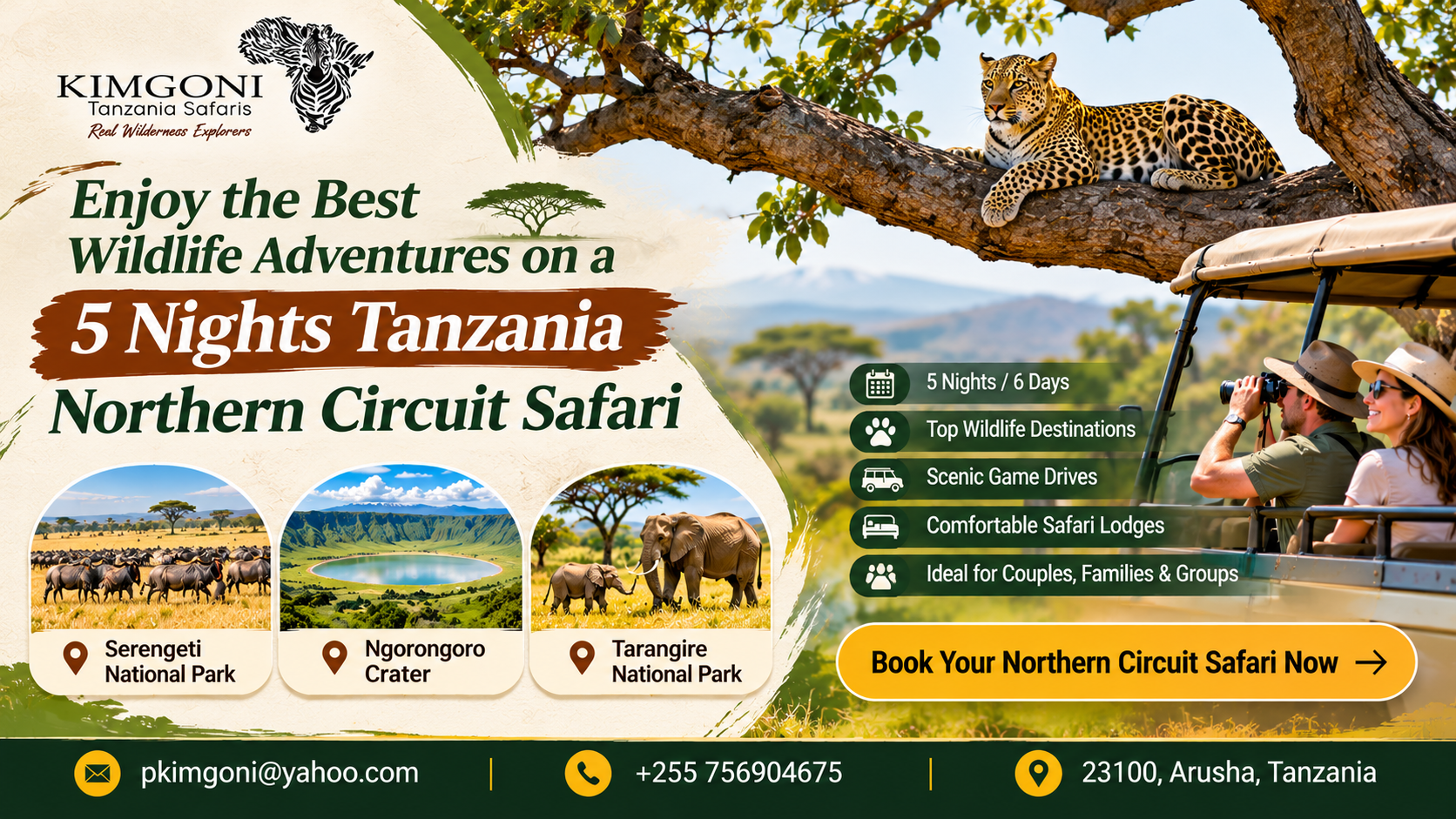
For example, a 5 nights Tanzania northern circuit safari can provide more opportunities to explore different wildlife habitats and enjoy additional game drives.
9. Private Safari or Group Safari: Which Is Better for a Day Trip?
Both private and group safaris can provide enjoyable experiences, but the right choice depends on your budget, travel preferences, and expectations.
| Private Safari | Group Safari |
|---|---|
| More personalised experience | Shared experience |
| Flexible travel arrangements | Fixed group schedule |
| More control over game-drive preferences | Activities follow a common plan |
| Suitable for couples and families | Suitable for budget-conscious travellers |
| Private vehicle arrangements | Shared safari vehicle |
Travellers looking for more flexibility may consider tanzania private safaris.
You can also explore different private Tanzania safari tours package options to understand which experience suits your travel plans.
10. Can You Combine Ngorongoro Crater with Other Tanzania Safari Destinations?
Absolutely! Ngorongoro Crater is an important destination on Tanzania’s Northern Safari Circuit. Many travellers combine it with other national parks to experience different landscapes and wildlife habitats.
Some popular destinations include:
Serengeti National Park: Famous for its vast grasslands, predators, and the Great Migration.
Tarangire National Park: Known for its large elephant herds and beautiful baobab trees.
Lake Manyara National Park: Offers diverse habitats, birdlife, and opportunities to see different wildlife species.
If you have more time, consider planning a Tanzania itinerary 10 days to explore multiple destinations.
You can also compare different Tanzania safari tour packages to find an itinerary that matches your travel duration, interests, and budget.
11. Why Choose Kimgoni Tanzania Safaris for Your Ngorongoro Crater Adventure?
Planning a safari becomes easier when you have professional support throughout your journey. Kimgoni Tanzania Safaris helps travellers plan wildlife adventures and explore Tanzania’s famous safari destinations.
Whether you are interested in a short crater visit or a longer Northern Circuit adventure, selecting the right safari arrangements can make your holiday more comfortable and enjoyable.
When planning your journey, consider:
- Safari itineraries based on your available travel dates.
- Private safari arrangements for a personalised experience.
- Comfortable 4×4 safari transportation.
- Experienced guides to support your wildlife experience.
- Suitable accommodation and travel arrangements.
- Options for combining Ngorongoro with other national parks.
Before confirming your booking, discuss your preferred travel dates, accommodation requirements, and safari expectations with your tour operator.
Conclusion
The best time to visit Ngorongoro Crater for a day trip depends on the kind of safari experience you want. June to October is generally an excellent period for wildlife viewing because of drier conditions and shorter vegetation. Meanwhile, November to May offers greener landscapes, seasonal birdlife, and a different natural atmosphere.
Regardless of when you visit, Ngorongoro Crater offers an unforgettable opportunity to experience Tanzania’s wildlife and natural beauty.
With Kimgoni Tanzania Safaris, you can plan your journey according to your schedule, travel preferences, and safari interests. Whether you choose a one-day crater adventure or a longer Northern Circuit holiday, proper planning will help you enjoy your Tanzania safari.
Frequently Asked Questions (FAQs)
1. What is the best month to visit Ngorongoro Crater?
June to October is generally considered one of the best periods because of drier weather and favourable wildlife-viewing conditions. However, the crater can be visited throughout the year.
2. Can I visit Ngorongoro Crater in one day?
Yes, you can explore Ngorongoro Crater in one day. An early start allows enough time for a game drive, wildlife viewing, and a lunch break.
3. Is Ngorongoro Crater worth visiting during the rainy season?
Yes. The rainy season offers beautiful green scenery, excellent birdwatching opportunities, and attractive photography conditions. However, heavy rainfall can affect road conditions.
4. What animals can I see during a Ngorongoro Crater day trip?
You may see lions, elephants, buffaloes, zebras, wildebeest, hyenas, hippos, flamingos, and occasionally black rhinoceroses. Wildlife sightings depend on natural conditions.
5. What should I pack for a Ngorongoro Crater safari?
Carry comfortable clothing, a light jacket, sunscreen, sunglasses, a camera, binoculars, and drinking water. Comfortable shoes are also useful.
6. Is a private safari better for visiting Ngorongoro Crater?
A private safari offers greater flexibility, personalised arrangements, and a more exclusive experience. It can be a good choice for couples, families, and small groups.
7. Can I combine Ngorongoro Crater with Serengeti National Park?
Yes. Both destinations are popular parts of Tanzania’s Northern Circuit and can be combined in a multi-day safari itinerary.
8. How early should I start a Ngorongoro Crater day trip?
An early morning departure is recommended to allow enough time for travelling, entering the crater, wildlife viewing, and returning to your accommodation.